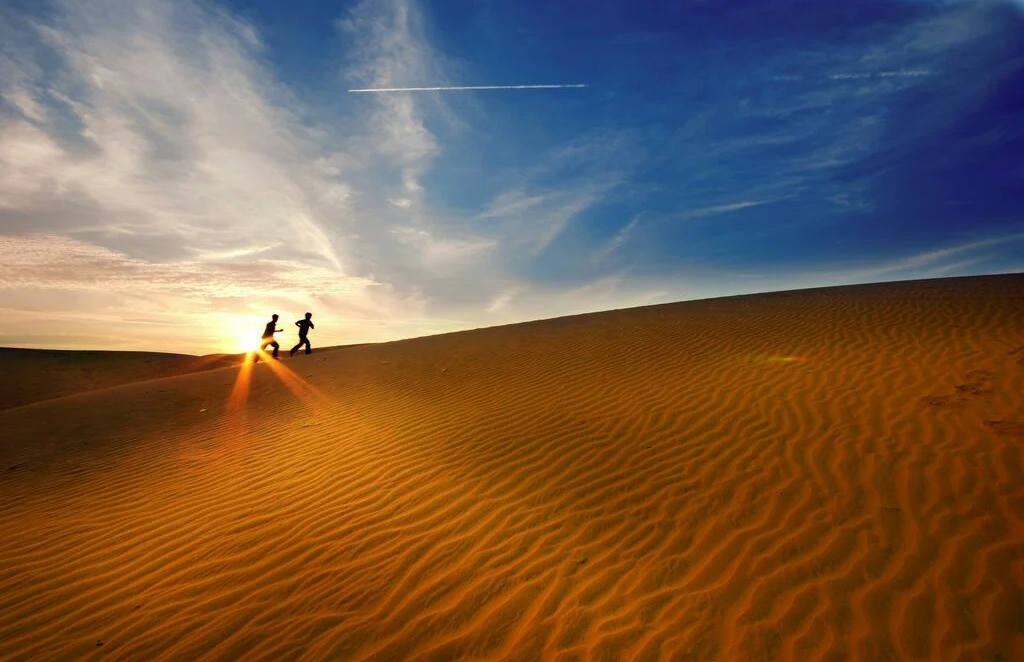
There is something undeniably thrilling about climbing into an open-top jeep as the first light of dawn paints the Mui Ne sand dunes in shades of amber and rose. The wind is already warm, the sky is vast, and the adventure stretching ahead of you feels limitless. But before you leap into that jeep and race toward the iconic White Sand Dunes or the rust-colored Red Sand Dunes, there is one question every smart traveler asks: what should I actually wear?
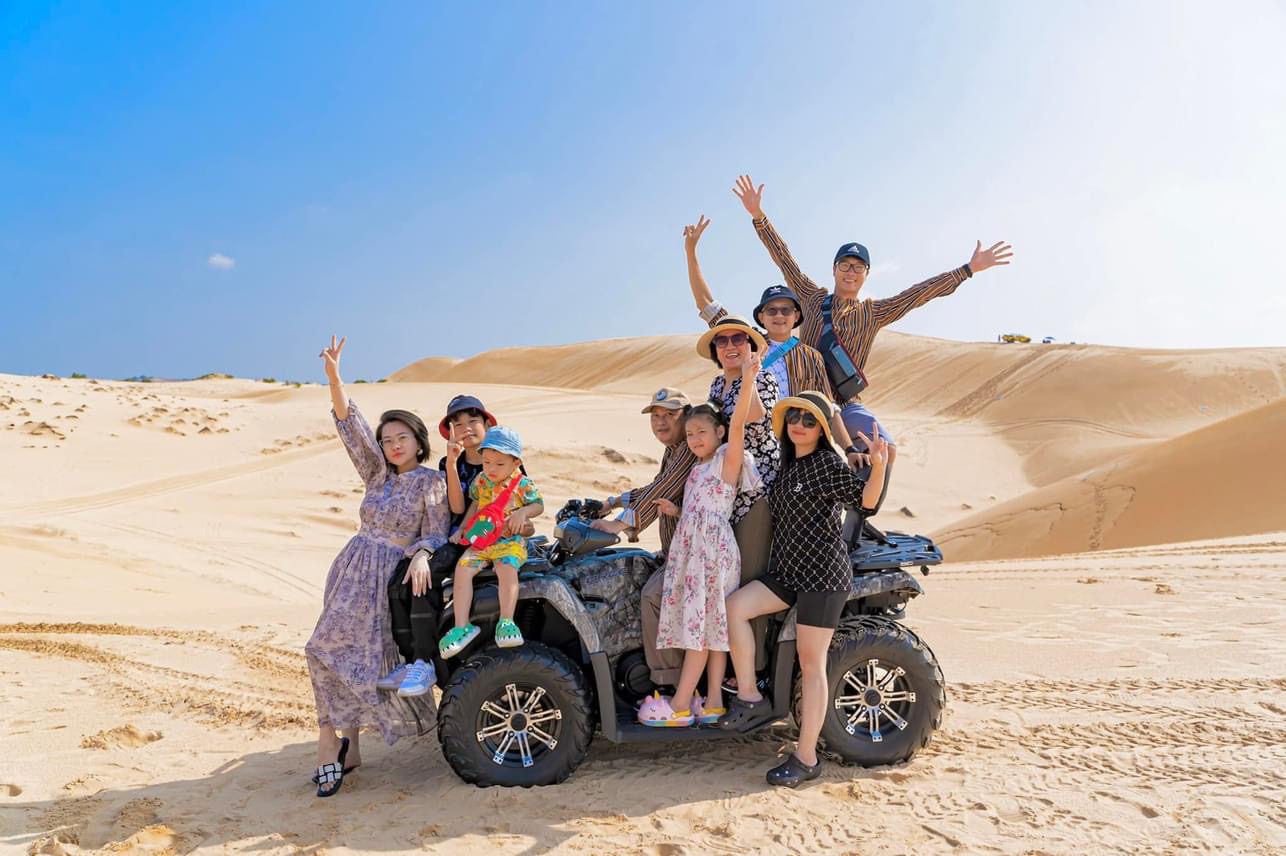
Dressing right for a Mui Ne jeep tour is not just about looking good in photos — though you absolutely will. It is about staying comfortable through dramatic temperature swings, protecting your skin from the intense Central Vietnamese sun, keeping sand out of places sand should never be, and arriving at each stop feeling fresh rather than frazzled. Getting this wrong can turn a magical sunrise adventure into a sweaty, sunburned, gritty ordeal.
Whether you are booking an early morning dune tour, a midday coastal drive, or a golden-hour sunset jeep experience, this guide covers everything you need to know about dressing for success on a Mui Ne jeep tour. We have broken it down layer by layer, accessory by accessory, so you can pack smart and ride even smarter.
Understanding the Mui Ne Climate Before You Pack
Mui Ne sits in one of Vietnam's driest and sunniest coastal corridors, in Binh Thuan Province. Unlike the more humid regions of Ho Chi Minh City or Hanoi, Mui Ne enjoys a semi-arid microclimate that means intense sunshine, low humidity for much of the year, and surprisingly strong coastal winds — especially in the mornings and evenings near the dunes.
The dry season runs roughly from November through April, and this is peak jeep tour season. Daytime temperatures regularly reach 33–38°C (91–100°F), and even at 5:00 AM when most sunrise dune tours depart, the temperature can hover around 20–25°C (68–77°F) — deceptively cool before the sun rises and the heat hits fast. During the rainy season from May to October, temperatures are slightly cooler but humidity rises, and occasional afternoon showers can catch you off guard.
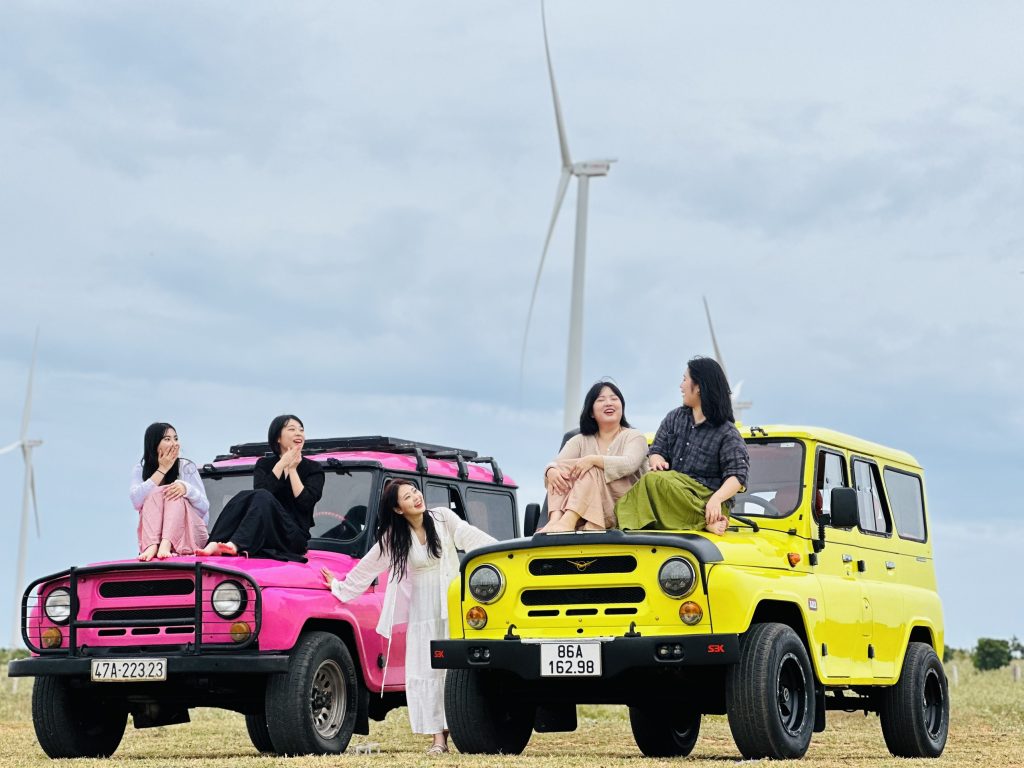
The key takeaway: Mui Ne weather is extreme and variable, even within a single four-hour jeep tour. You might feel a refreshing breeze at the White Sand Dunes at dawn, then bake in direct sun at the Fairy Stream by mid-morning. Layering is your best strategy, and understanding this thermal range will shape every clothing decision you make.
The Foundation: Choosing the Right Base Clothing
Your base layer — the shirt and bottoms you wear directly against your skin — will make or break your comfort on a Mui Ne jeep tour. The golden rule here is to choose lightweight, moisture-wicking, breathable fabrics over cotton. Cotton feels wonderful when dry, but the moment you sweat (and you will sweat), it becomes heavy, clingy, and slow to dry. Synthetic performance fabrics like polyester blends, bamboo, or technical linen are far superior choices.
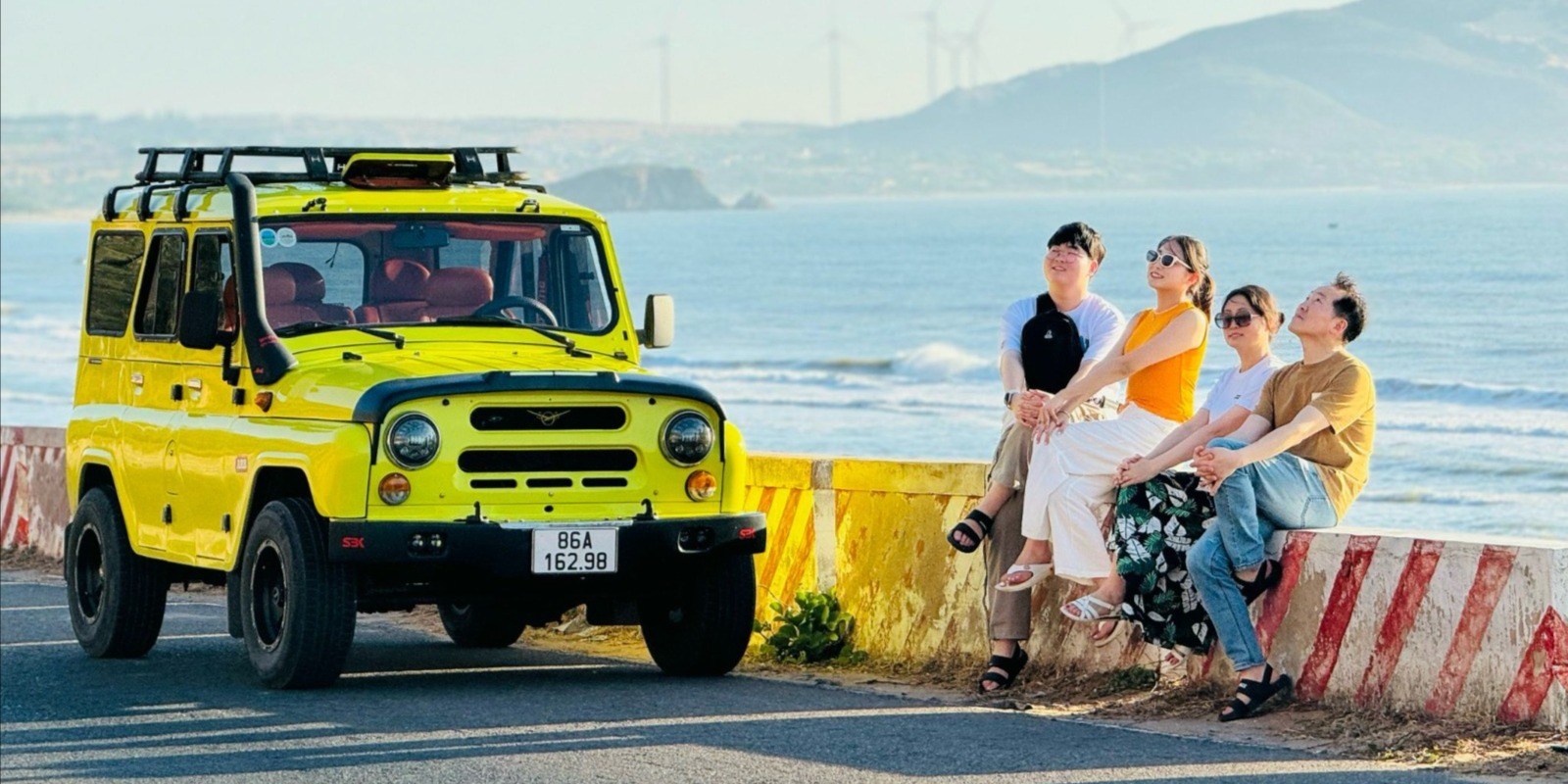
For tops, a long-sleeved, light-colored UV-protective shirt is actually the smartest choice even in hot weather. It sounds counterintuitive, but a quality UPF 50+ long-sleeve top keeps direct sun off your arms, reduces the need for constant sunscreen reapplication, and breathes surprisingly well. Light colors — white, pale blue, cream, or soft grey — reflect heat rather than absorbing it. Many experienced Mui Ne travelers swear by these shirts, especially for the midday Red Sand Dunes stop where shade is virtually nonexistent.
For bottoms, lightweight linen or quick-dry jogger-style trousers work beautifully. They protect your legs from sun exposure and — critically — from hot metal jeep parts and sandy surfaces that can scratch exposed skin. That said, breathable shorts are perfectly acceptable for cooler morning tours or for travelers who run hot. If you choose shorts, aim for mid-thigh length or longer; very short shorts can be uncomfortable on sandy surfaces and may draw unwanted attention in more traditional areas near the local fishing village.
Footwear That Actually Works on Sand and Coastal Terrain
Footwear is where many first-time Mui Ne jeep tour visitors go badly wrong. The instinct to wear flip-flops is understandable given the beach setting, but flip-flops present real problems on a jeep tour. They offer zero ankle support when scrambling up sand dunes, they fill with sand immediately, they can fly off in the open jeep, and they leave your feet completely exposed to the sun.
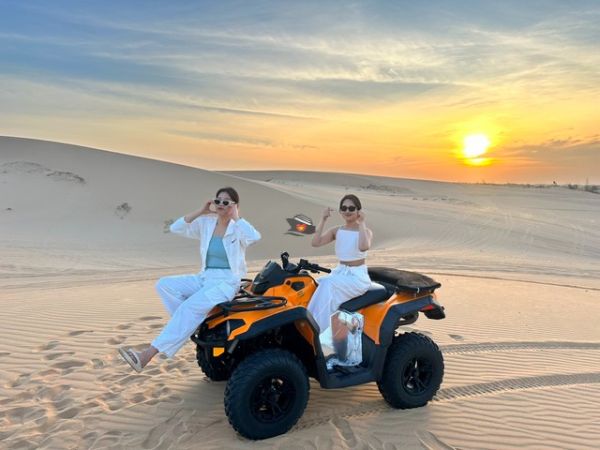
The single best footwear option for a Mui Ne dune tour is a pair of closed-toe sport sandals with straps — brands like Teva, Chaco, or Keen are popular among adventure travelers for exactly this reason. They allow your feet to breathe, stay securely on your feet at speed, and can handle wet terrain if you visit the Fairy Stream (a shallow, ankle-deep wade through cool, red-tinged water that is a highlight of most Mui Ne sunrise jeep tours).
If you prefer closed shoes entirely, lightweight trail runners or breathable sneakers are an excellent alternative. Avoid heavy hiking boots — they are overkill for Mui Ne terrain and will leave your feet sweltering. Whatever you choose, make sure your footwear is something you do not mind getting sandy and potentially a little wet. At the Fairy Stream, most travelers simply remove their shoes and wade barefoot through the shallow water, which is why sandals or easily slip-off shoes have such a practical advantage.
Quick Footwear Summary
-
Best choice: Closed-toe sport sandals (Teva, Chaco, Keen)
-
Great alternative: Lightweight trail runners or breathable sneakers
-
Avoid: Flip-flops, heavy hiking boots, new shoes you haven't broken in
-
Fairy Stream tip: Choose footwear you can easily remove and carry
Sun Protection Essentials: Beyond Just Sunscreen
The Mui Ne sun is no joke. At these latitudes in Southern Vietnam, UV index levels routinely hit 11 or above — classified as extreme by the World Health Organization. On an open-top jeep with no overhead shade, you are fully exposed for the entire duration of your tour. Sun protection, therefore, is not optional. It is your single most important preparation.
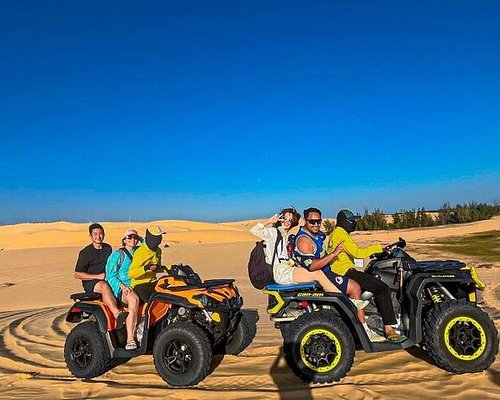
Start with a broad-spectrum SPF 50+ sunscreen applied at least 20 minutes before you depart. Pay special attention to the back of your neck, your ears, the tops of your feet if wearing sandals, and your hands — areas that are easy to forget but highly vulnerable during a jeep ride. Bring the bottle with you and reapply every 90 minutes, especially if you are sweating.
Beyond sunscreen, a wide-brimmed hat is non-negotiable. Baseball caps offer minimal protection to your face and nothing to your ears or neck. A hat with at least a 3-inch brim all around — think a packable safari hat or a structured sun hat — provides dramatically better coverage. Choose one with a chin strap or secure-fitting design, because jeep speeds and coastal winds will absolutely test a loosely fitted hat. Many travelers have lost a favorite hat to the Mui Ne wind on a fast stretch of coastal road.
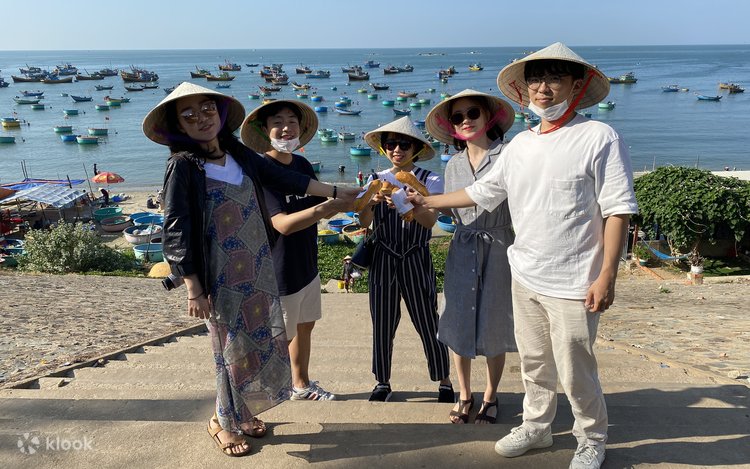
Sunglasses with UV400 or polarized lenses are equally essential. The glare off the white sand at the White Sand Dunes is intense enough to cause eye fatigue and headaches within minutes of unprotected exposure. Quality polarized sunglasses will also reduce glare off the water when you reach the coast, making the entire experience more comfortable and visually stunning. Do not forget a light neck gaiter or buff — these tube-style fabric accessories can be pulled up to cover your nose and mouth during dusty sections of the drive, and pulled down as a sun shield for your neck the rest of the time.
Complete Sun Protection Checklist
-
Sunscreen: SPF 50+, broad-spectrum, reef-safe preferred
-
Hat: Wide-brim with chin strap or secure fit
-
Sunglasses: UV400 or polarized lenses
-
Neck gaiter/buff: Multi-purpose, lightweight, fits in any pocket
-
UPF clothing: Long-sleeve top rated UPF 30 or higher
-
Lip balm: SPF 30+ — often forgotten, always regretted
Layering Strategy for Sunrise vs. Midday Jeep Tours
One of the most frequently asked questions from travelers booking a Mui Ne jeep tour package is whether to dress for cool morning air or blazing afternoon heat. The honest answer is: both — and the solution is smart layering.
For the classic sunrise jeep tour (departure typically between 4:30–5:30 AM), the pre-dawn air can feel genuinely chilly from the back of an open jeep moving at speed. A thin packable jacket or zip-up hoodie worn over your base layer is highly recommended for the journey to the dunes. By the time the sun clears the horizon around 6:00–6:30 AM, you will be removing that layer and storing it in your daypack. By 8:00 AM, you will wonder how you ever thought it was cold.
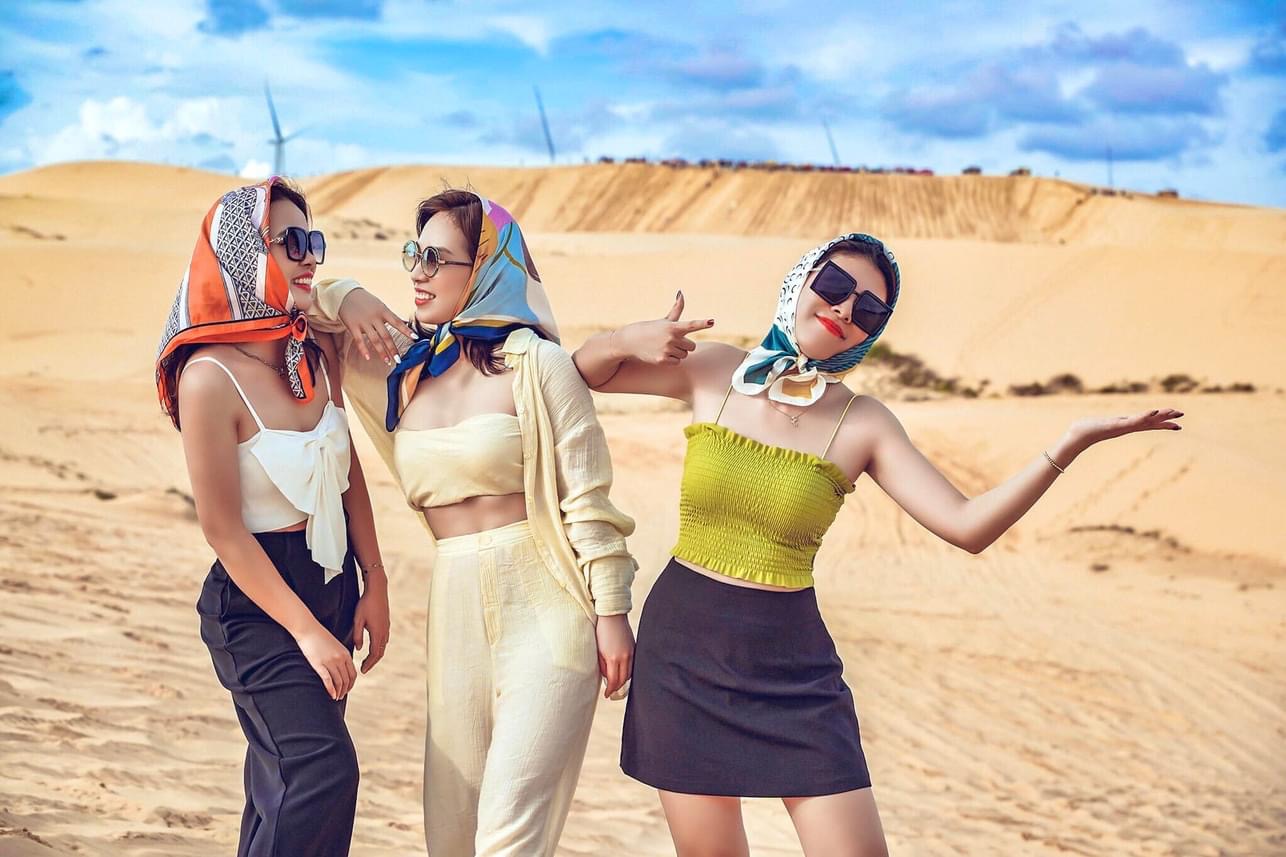
For midday or afternoon tours, layering is less about warmth and more about sun management. Wearing a light, long-sleeve button-down shirt over a breathable tank gives you the flexibility to roll up sleeves or remove the outer layer in shaded moments, while still having coverage when the sun is at its peak. The coastal breeze at Mui Ne's fishing harbor can also make the feel-temperature drop noticeably near the water, so having a layer accessible is always useful.
For sunset jeep tours, the temperature logic reverses again — you start hot and end cooler. Pack a light layer to pull on as the sun drops and the breeze picks up. Watching the sunset from the Red Sand Dunes with a warm jacket on as the temperature drops is an unexpectedly magical experience, and you will be glad you brought it.
What to Pack in Your Daypack for the Tour
Beyond what you wear on your body, a small daypack or crossbody bag transforms your jeep tour experience. Most jeep tours in Mui Ne last between three and five hours, covering multiple stops. You will want quick access to essentials without rummaging through a large suitcase-style bag.
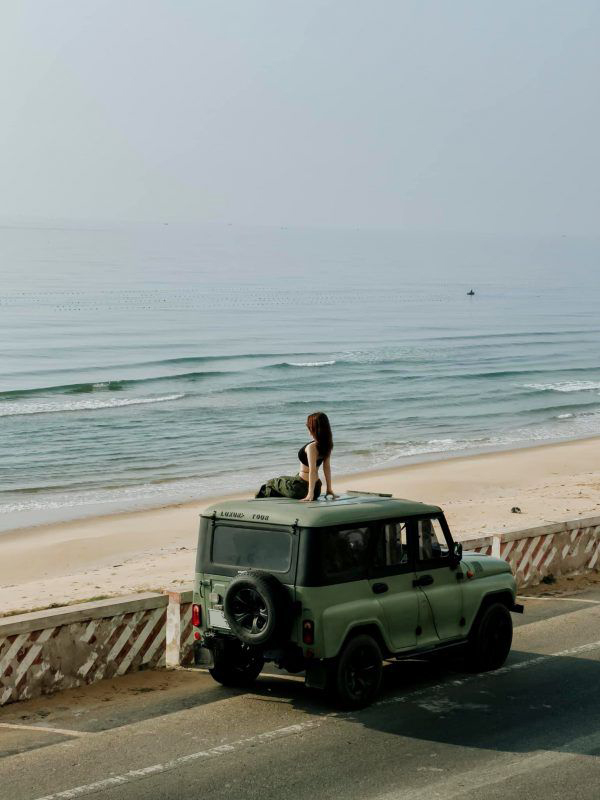
A 10–15 liter daypack is the ideal size. It fits neatly between your feet on the jeep, stays secure, and holds everything you need without being cumbersome when you hop out to climb dunes or wade through the Fairy Stream. Pack your sunscreen, a reusable water bottle (at least one liter — dehydration is real in this climate), your packable jacket, a snack, your phone or camera, and a small dry bag or ziplock for your phone if rain is possible during shoulder season.
Keep valuables like passports and large amounts of cash at your hotel. A simple money belt or small wallet with just your tour voucher, some Vietnamese dong for drinks or snacks, and a card is more than sufficient. Sand will find its way into everything on an open jeep, so protect electronics with a soft case and consider bringing a small lens cloth for your camera or phone screen.
If you are traveling with children on a family jeep tour in Mui Ne, pack extra clothing layers for kids, who often get cold faster and overheat faster than adults. Also bring child-specific high-SPF sunscreen, as the adult formulas can sometimes irritate sensitive young skin.
Cultural Considerations and Dress Code Respect
Mui Ne jeep tours often include stops at local fishing villages, Buddhist temples near the Fairy Stream area, or through communities where modesty in dress is appreciated. While Mui Ne is significantly more relaxed about tourist dress than more traditional Vietnamese towns, showing basic cultural respect goes a long way in your interactions with locals and enhances the authenticity of your experience.
Avoid wearing very revealing clothing — extremely short shorts, bikini tops, or sheer fabrics — particularly in the fishing village areas or near any religious sites. Your lightweight long pants and UPF long-sleeve top (which you are already wearing for sun protection) will serve you perfectly in these contexts. Not only will you look respectful, you will also be the most comfortable person in the group when the midday heat hits.
If you plan to enter any small shrines or temple areas, slip-on shoes and covered shoulders make this seamless without requiring a last-minute scramble for a scarf or sarong. Many experienced Mui Ne travelers carry a lightweight sarong in their daypack anyway — it doubles as a blanket on a cool morning jeep ride, a beach mat at a coastal stop, and a modesty cover in culturally sensitive locations.
Ready to Book Your Mui Ne Jeep Tour? Now that you know exactly what to wear, all that is left is choosing your adventure. Explore our full range of Mui Ne jeep tours — from magical sunrise dune tours to full-day coastal explorations. Small group sizes, experienced local guides, and open-top jeeps for the best views. Book your tour today and experience Mui Ne the way it was meant to be seen.
Final Packing List: What to Wear on a Mui Ne Jeep Tour
Let us bring everything together with a comprehensive, practical packing list. Save this, screenshot it, or print it before your trip — it covers every scenario you are likely to encounter on a standard Mui Ne jeep tour, regardless of the season or time of day.
-
Top: Lightweight, light-colored UPF 30+ long-sleeve shirt
-
Bottoms: Quick-dry linen trousers or mid-length shorts
-
Layer: Thin packable jacket or zip hoodie (essential for sunrise tours)
-
Footwear: Sport sandals with straps OR lightweight trail runners
-
Hat: Wide-brim sun hat with chin strap
-
Sunglasses: UV400 or polarized lenses
-
Sunscreen: SPF 50+, full bottle to reapply
-
Neck gaiter/buff: Sun and dust protection
-
Daypack: 10–15L with water bottle (min 1L), snacks, dry bag
-
Sarong: Multi-use — warmth, modesty cover, beach mat
-
Lip balm: SPF 30+
-
Camera protection: Soft case and lens cloth for sandy conditions
With this kit, you are prepared for everything Mui Ne's jeep tour landscape can throw at you — scorching midday sun at the White Sand Dunes, cool pre-dawn breezes on the way to sunrise, splashing through the Fairy Stream's shallow waters, and everything in between. Dress smart, protect yourself from the elements, and you will be free to focus entirely on the extraordinary beauty of this coastal Vietnamese paradise.
Mui Ne is one of Southeast Asia's most visually dramatic destinations, and a jeep tour is the finest way to experience its surreal sand dunes, vivid fishing villages, and otherworldly landscapes. With the right clothing and preparation, your jeep tour will not just be a highlight of your Vietnam trip — it will be one of the most memorable adventures of your life. Now all you have to do is show up, climb in, and hold on tight.
Start Planning Your Mui Ne Jeep Adventure Today! Sunrise, sunset, or full-day — we have a jeep tour designed for every traveler. Check availability, read reviews from past guests, and lock in your spot on a Mui Ne sunrise jeep tour before spaces fill. Your dune adventure is waiting. Contact us now or browse our tour packages to find your perfect ride.